In March 2026, I gave a talk at the Kerala Startup Mission's VC 101 Bootcamp in Kochi, in front of about 100 early-stage founders.
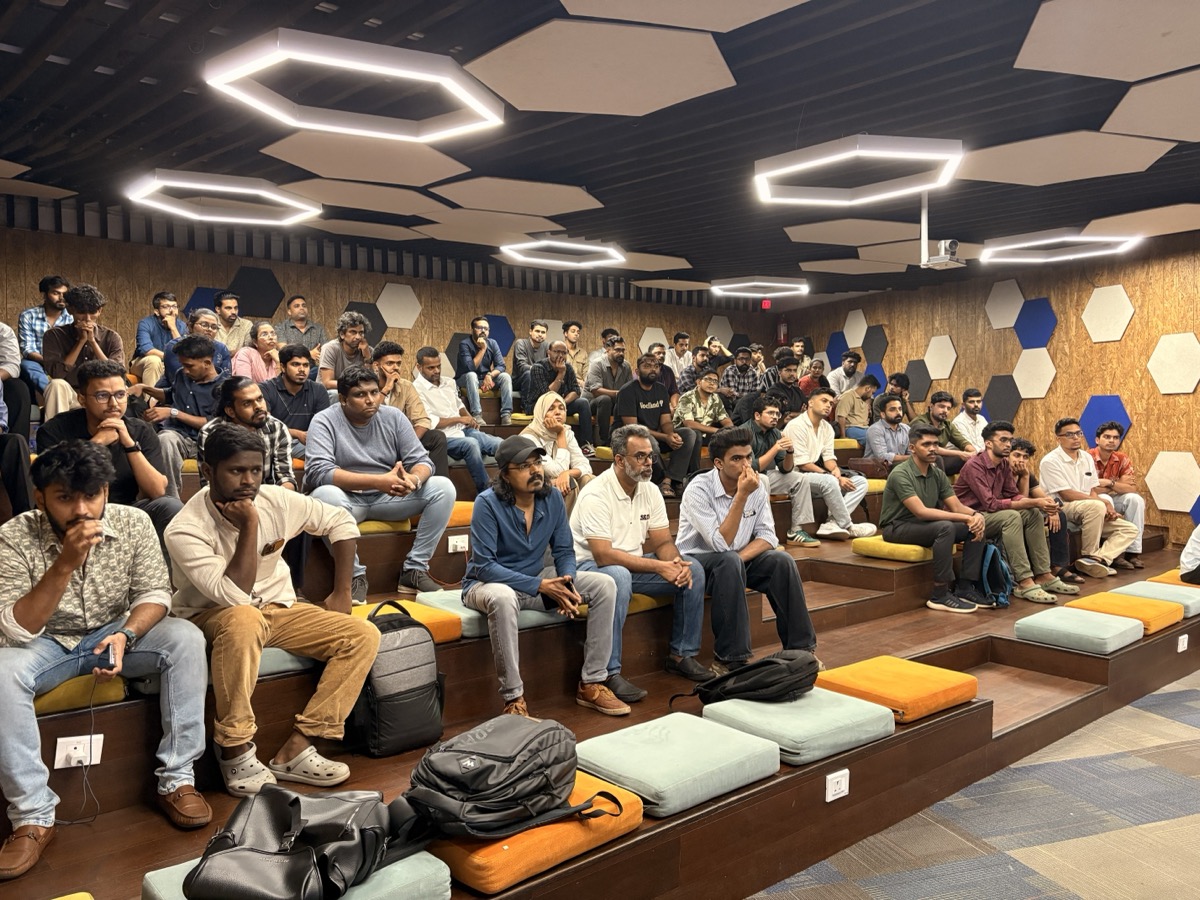
Sulesh Kumar from Ideaspring Capital had just covered the investor side -- power laws, portfolio theory, how VCs think about bets.
I was asked to cover the founder side.
This is a written version of that talk. The things I wish someone had told me before I started our raise.
First question: Is VC right for you?
Most founders skip this. They hear about funding rounds, assume that's what success looks like, and start pitching before they've answered the more important question.
VC is a specific deal. You are selling a piece of your company in exchange for capital, with an implicit agreement that you will try to build something large enough to return the fund. Not profitable. Not sustainable. Large. If you're not building something with the potential to be a $100M+ business, VC is probably the wrong instrument. Debt, revenue-based financing, or staying bootstrapped are legitimate choices, not fallbacks.
Ask yourself: do I actually need to grow at the pace VC requires? If the answer isn't a clear yes, the rest of this post matters less.
What you're actually signing up for
Taking VC money is not free money with a handshake. You are taking on a co-owner who has strong opinions about your trajectory and a fiduciary obligation to their LPs. The clock starts the moment the money hits.
You will have a board. You will report to them. You will be expected to hit milestones on a timeline set partly by fund dynamics you don't fully control. This is not necessarily bad -- good investors add real value -- but founders who go in thinking they're just getting resources without accountability tend to be unpleasantly surprised.
Know the deal before you take it.
Before you pitch: Story, Signal, Access
You need three things before you start outreach. Most founders have one or two and assume that's enough.
Story. Not a deck. A narrative. Why this problem, why now, why you. The deck is just evidence for the story. If you can't tell it in five minutes without slides, keep working on it.
Signal. Investors are pattern-matching under uncertainty. They're looking for evidence that something real is happening: revenue, growth, retention, a waitlist that's embarrassingly large, customers who are angry when the product goes down. The signal doesn't have to be perfect. But there has to be something.
Access. Cold emails don't work. Not because investors are rude, but because they get hundreds of them and have no way to evaluate them efficiently. Warm introductions get meetings. Spend time before your raise building relationships with founders who have raised from the investors you want. Ask them for intros. This is not networking -- it's just how the system works.
The process is a full-time job
A realistic raise takes three to six months from first meeting to money in the bank. Many take longer.
During that time you will have dozens of first meetings, fewer second meetings, and a small number that go anywhere meaningful. You will run the same conversation over and over. You will get "we're going to pass" more times than you can count, usually without a real reason.
It is a full-time job running in parallel with actually running your company. The founders who handle this best treat fundraising as a sales process with pipeline metrics: how many first meetings this week, what's the conversion to second meeting, what are the common objections. Manage it like you'd manage any other part of the business.
VC language is not plain English
A few translations that took me longer than they should have to figure out:
"We'd love to stay close" means no, but softly.
"The timing isn't right for us" usually means the business isn't de-risked enough, not that you should call back in six months.
"We need to see a bit more traction" is a real objection. It means what it says. Go get more traction and come back.
"We're going to pass but would love to be helpful" is the most confusing one. Sometimes it's genuine -- investors do sometimes make introductions or give advice to founders they passed on. Often it's just a polite close.
The emotional reality
Nobody really warns you about this part.
A fundraise puts you in a position where you are repeatedly making the case for your own judgment to people who mostly say no. That's psychologically hard. It doesn't matter how confident you are -- sustained rejection is corrosive if you're not prepared for it.
A few things that helped: keeping my head down on the business between meetings (so the company kept moving regardless of the raise), talking openly with other founders who had been through it, and being honest with my co-founders about how I was actually feeling rather than performing optimism.
The founders who get through a raise well are not the ones who feel nothing. They're the ones who don't let it stop them from showing up the next day.
The term sheet is not the finish line
When you get a term sheet, it feels like it's over. It isn't.
You still have to negotiate terms. You still have to do diligence. You still have to get to close, which involves lawyers, signatures, and wire transfers that take longer than expected. Deal with any of those going wrong.
Celebrate the term sheet for a moment, then put your head back down.
After the money
The close is when the real work starts.
You now have a board. You have reporting obligations. You have a plan you pitched that you're expected to execute against. The capital in your account is not yours -- it's fuel for a specific mission, and your investors will want to see it used that way.
The founders who struggle post-raise are usually the ones who treated the capital as a destination rather than a starting line.

One thing
If I had to leave one thought with those 100 founders in Kochi, it was this:
Raise from leverage, not desperation.
The best fundraises happen when the company is doing well and doesn't urgently need the money. Desperation is visible, it kills your negotiating position, and it leads to bad terms. Start your raise six months before you need to. Keep the business moving. The worst thing you can do is walk into a partner meeting when you have three months of runway left.
Build the company first. Then go raise.